 Connect


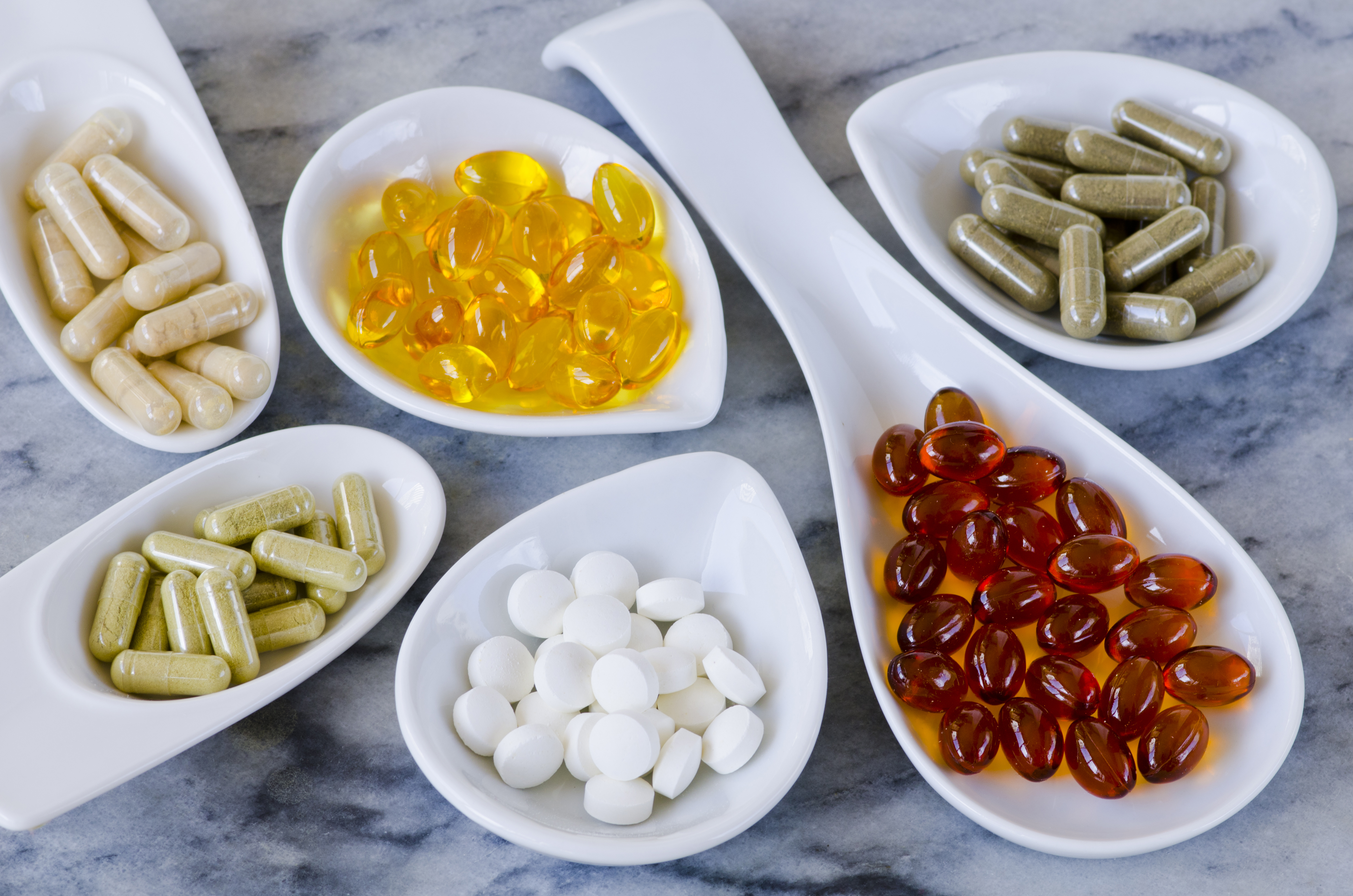
Now that we reviewed features of EDS/HSD related to supplements, it makes sense to ask the question: “will taking supplemental collagen help me?” To answer this question let’s dig a bit further into what is collagen – the 2nd most common substance in the human body (after water).
Collagen is assembled in a triple helix design from the amino acids proline, glycine, lysine, and hydroxyproline. Amino acids are the building blocks of protein. Vitamin C, zinc, copper and manganese act as cofactors for the formation of collagen. Collagen makes up at least 30% of our whole-body protein content and there are currently 28 known different types of collagen that have been identified, with further diversity within each subtype. Collagen from supplements typically comes from animal-derived sources. These include:
- Type I: bovine and fish bones, ligaments, tendons, hides, and skin, eggshells
- Type II: chicken cartilage and joint
- Type III: bovine skin, blood vessels, and internal organs
- Type V and X: eggshells
Different manufacturing processes can affect the structure, composition, and property of collagen produced. The different manufacturing processes can result in the following types of collagen:
- Insoluble undenatured native collagen (maintain triple helix design): Type I and Type II
- Soluble native collagen (maintain triple helix design): Type I and type II
- Gelatin (denatured collagen – no triple helix): Type I and Type II
- Hydrolyzed collagen (peptides and amino acids – no triple helix): Type I and Type II
- Vegan collagen or Vegan collagen builder: plant extracts, amino acids, vitamins, minerals.
Different collagens consumed within the diet are broken down to peptides and then amino acids for absorption. Once absorbed, our bodies genes will decipher what proteins the individual amino acids will be reformed into and where in the body they will go. If a genetic mutation is present that alters the formation and structure of collagen, the body will continue to produce faulty collagen despite the amount of amino acids or collagen supplemented by diet. And although it seems like they may help, there is not yet enough clinical studies to support supplementation of vitamin C, zinc, copper, or manganese to enhance the collagen matrix in EDS and HSD patients.
Collagen supplementation is however being studied in individuals who experience pain or have been diagnosed with osteoarthritis and rheumatoid arthritis. Native collagen Type II has been shown shown to decrease joint discomfort and increase joint mobility when 40 mg/day was consumed potentially by decreasing inflammation in non-osteoporosis individuals. Hydrolyzed collagen may also have chondroprotective effects, which means protecting your cartilage. Additional research is still needed on understanding the underlying pathophysiology of pain and research is needed in the EDS and HSD population to determine if collagen supplementation provides therapeutic symptom relief. Let us know in the comment section below if you have tried collagen supplementation, and if it has helped you.
Author: Lisa Mejia RD/N, LD/N, CDCES, IFNCP
 Like
Like Helpful
 Hug
Hug
 Connect
@julierickett
Julie,
Your report is wonderful to hear. How are you doing?
Could you please share the specific collagen brand?
I also have EDS and haven’t found a brand that doesn’t bother my stomach. Your input would be very appreciated.
Hi Lisa,
Could you please share any new findings about collagen for EDS .
Has the use of peptides been happening yet at Mayo Clinic?
Thank you very much,
Lynne